
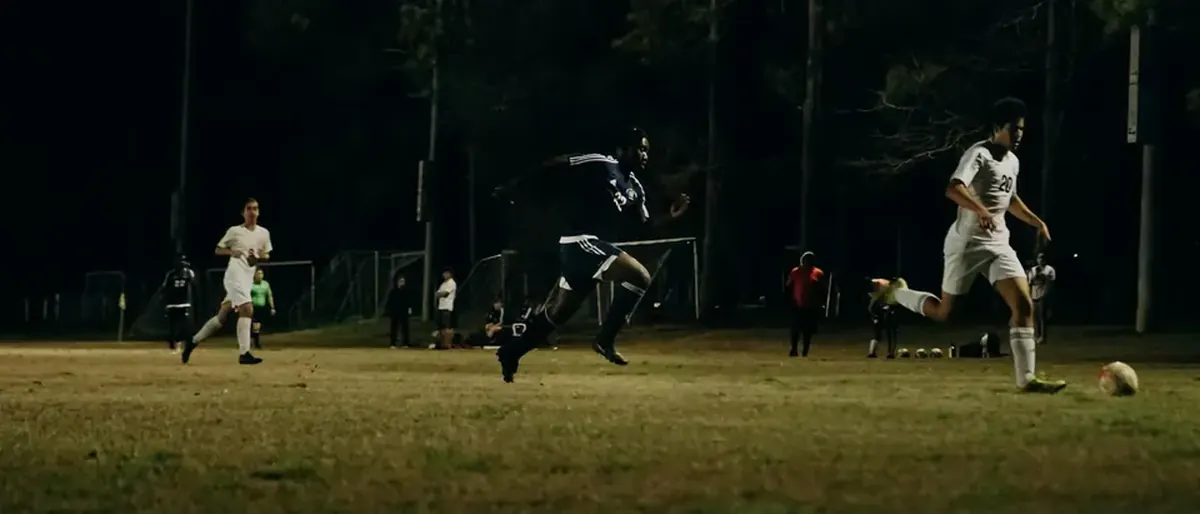
Wing-Back Attacking Overlaps and Delivery
The modern game has redefined the role of the full-back, but the most profound tactical evolution has been the rise of the specialist wing-back. In systems like the 3-5-2 or 3-4-3, the wing-back is no longer a defensive auxiliary; they are the primary source of width and a critical engine for creating goal-scoring opportunities. The attacking overlap, once a supplementary move from a full-back, is now a structured phase of play designed to pin opposition defenders, create numerical superiority, and deliver the ball into dangerous areas. Understanding the mechanics of these overlaps and the quality of the subsequent delivery is essential for any tactical analysis. This article dissects the principles of wing-back attacking overlaps, the variables that determine their effectiveness, and how teams exploit or neutralize this potent weapon.
The Structural Foundation of the Overlap
The wing-back overlap is not an improvisational act; it is a product of the team's initial shape and the opposition's defensive block. In a 3-5-2 formation, the wing-back operates high and wide, often starting their run from a position level with the midfield line. The trigger for the overlap is typically the central midfielder or the wide center-back receiving the ball with space and time. The sequence relies on a clear chain of movement: the central player attracts the opposition's wide midfielder or full-back, creating a corridor for the wing-back to exploit.
The effectiveness of this run is determined by timing. If the wing-back starts their run too early, they will be tracked by the opposition full-back, negating the space. If they start too late, the passing lane is closed, and the ball carrier is isolated. The ideal overlap sees the wing-back accelerate behind the opposition's defensive line just as the ball carrier shifts their body weight to play the pass. This creates a two-on-one situation against the opposition full-back, forcing a decision: step to the ball and leave the wing-back free, or drop to cover the run and allow the central player to drive into the vacated space.
Delivery: The Decisive Variable
An overlap that results in a cross is only as valuable as the quality of the delivery. This is where the distinction between a good wing-back and a great one becomes apparent. The delivery type is dictated by the position of the ball, the proximity of the goal, and the movement of the attacking players in the box.
The Byline Cut-Back
When a wing-back reaches the byline, the most dangerous delivery is often the cut-back. This pass is played with pace and precision into the corridor between the penalty spot and the edge of the six-yard box. This area is notoriously difficult for defenders to cover because they are facing their own goal and must turn to clear the ball. The attacking midfielders or strikers, arriving late from deeper positions, have a significant advantage. The cut-back exploits the natural momentum of the defensive line, which tends to drop towards the goal line, leaving a dangerous pocket of space.
The Early Cross
An early cross, delivered from a deeper position before the wing-back has reached the byline, is a weapon against a deep block. It catches the defensive line in transition, often before they have fully set their shape. This is particularly effective when the attacking team has a target striker who can attack the space between the center-backs and the goalkeeper. The key metric here is the trajectory of the ball; a driven cross that stays below head height is far more dangerous than a floated one, as it forces defenders to react with their feet rather than their head.
The Lofted Cross
The lofted cross is the most traditional delivery, but its effectiveness in modern football is often overstated. It relies on aerial dominance and is most effective against a defense that is not organized to defend the back post. However, it is a lower-percentage option compared to the cut-back or early cross. The expected goals (xG) value of a lofted cross is typically lower than a driven or cut-back pass because the attacking player has less control over the header and the goalkeeper has more time to read the flight of the ball.
Tactical Variations and Defensive Responses
The attacking overlap is not a one-size-fits-all tactic. Teams adapt the concept based on the specific attributes of their wing-backs and the weaknesses of the opponent.
The Inverted Overlap
A less common but increasingly effective variation is the inverted overlap. In this scenario, the wing-back does not attack the byline but instead cuts inside onto their stronger foot. This is particularly potent when the wing-back is right-footed on the left side, or vice versa. By cutting inside, they create a shooting angle or a passing lane into the box that is not available from the touchline. This move can destabilize a defense that is expecting a traditional wide cross, forcing the opposition full-back to show them onto their weaker foot or risk a shot from a central position.
Defensive Counter-Measures
Opposition coaches have developed specific strategies to nullify the wing-back overlap. The most common is to instruct the wide midfielder or winger to track the wing-back's run, preventing the two-on-one. This is often seen in a 4-2-3-1 formation, where the wide attacking midfielder has a clear defensive responsibility to cover the opposition's full-back or wing-back.
Another effective counter is the "double-teaming" of the ball carrier. If the opposition can quickly press the central midfielder or wide center-back receiving the ball, they can prevent the pass from being played in the first place. This requires a high pressing intensity, often measured by PPDA (passes per defensive action). A team with a low PPDA—indicating aggressive pressing—can disrupt the timing of the overlap before it begins.
A more passive but equally effective approach is to drop the defensive line deeper, reducing the space behind for the wing-back to run into. This forces the wing-back to deliver crosses from a deeper position, which are statistically less dangerous. The trade-off is that it invites more possession and allows the attacking team to build pressure.
The Role of the Supporting Cast
The success of the wing-back overlap is not solely dependent on the wing-back themselves. The movement of the central striker and the attacking midfielder is crucial. If the striker makes a run towards the near post, they occupy the near-side center-back, creating space for the wing-back to deliver to the far post or the penalty spot. Conversely, if the striker drops deep, they can draw a center-back out of position, creating a gap for the wing-back to exploit with a run into the box.
The central midfielder also plays a key role. They must be positioned to receive a lay-off or a cut-back, providing a secondary option if the initial cross is blocked. This is where a team's shape transitions from a 3-5-2 into a more fluid attacking structure, with the midfielders becoming goal threats from the second phase of play.
Risk Assessment and Transitional Vulnerability
The wing-back overlap is a high-risk, high-reward tactic. When it works, it creates high-quality chances. When it fails, it leaves the team exposed to counter-attacks. The wing-back is often the highest-positioned player on the pitch when the overlap is attempted. If they lose possession or the pass is intercepted, the opposition has a clear run at the defensive line, which is now short of a full-back.
Teams that rely heavily on wing-back overlaps must have a robust defensive structure to cover the transition. This typically involves the wide center-back shifting across to cover the vacated flank, while the defensive midfielder drops into the back line. The success of this recovery is often determined by the speed of the opposition's transition and the positioning of the team's central midfielders.
For a deeper understanding of how teams structure their defense to counter such attacks, see our analysis of defensive shape analysis in a 5-3-2. Additionally, the interplay between wing-backs and midfielders is a critical component of midfield pressing traps and interceptions.
Conclusion: The Evolution of the Specialist Role
The wing-back attacking overlap is a microcosm of modern tactical football. It is a structured, rehearsed move that relies on timing, spatial awareness, and technical execution. The delivery—whether a cut-back, early cross, or lofted ball—is the final, decisive variable that separates a dangerous attack from a wasted possession. As defensive systems become more sophisticated, the wing-back's role will continue to evolve. The most successful teams will be those that can not only execute the overlap but also vary its timing, angle, and delivery to keep opponents guessing.
The future of the position lies in versatility. The ability to overlap, invert, and combine with central players will define the next generation of elite wing-backs. For those analyzing the game, understanding the nuances of this attacking phase is essential to predicting match outcomes and identifying tactical trends.
Responsible Gambling Note: While tactical analysis can inform betting decisions, it is important to remember that sports betting involves financial risk. Past statistical patterns, including expected goals and pressing metrics, do not guarantee future results. Always gamble responsibly and within your means.