

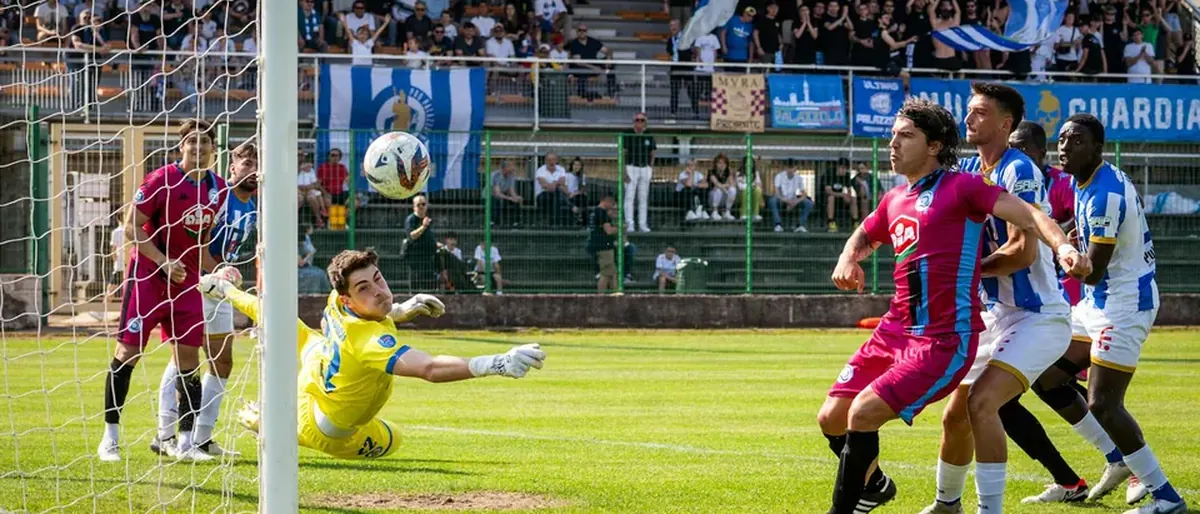
Own Goals and Mistakes: Defensive Vulnerability
You know that sinking feeling when your team is dominating possession, carving out chances, and then—out of nowhere—a misplaced backpass or a botched clearance ends up in the back of your own net. It’s the kind of moment that makes you want to throw your remote at the wall. But here’s the thing: own goals and defensive mistakes aren’t just random bad luck. They’re a pattern, and if you’re trying to figure out why your favorite team keeps shooting itself in the foot, you’ve come to the right place.
Let’s break down what’s really going on when defenders turn into accidental strikers, and more importantly, how to spot the warning signs before the next disaster strikes.
Why Do Own Goals Happen So Often?
First off, let’s get one thing straight: own goals aren’t just about a player having a bad day. They’re usually the result of systemic pressure, poor communication, or tactical mismatches. Think about it—when was the last time you saw a defender casually slice the ball into his own net with no one around? Almost never. These moments are almost always forced by the opposition.
Here are the three main culprits:
- High pressing from the opponent: When a team presses aggressively, especially in a 4-3-3 formation that pushes wingers high, defenders have less time to think. A rushed clearance under pressure is a recipe for disaster.
- Defensive disorganization: If your backline is out of sync—maybe a center-back steps up while the other drops deep—you’re inviting chaos. A simple cross can turn into a nightmare when nobody knows who’s marking whom.
- Poor goalkeeper communication: This one’s huge. If the keeper doesn’t shout “keeper’s” or “away” clearly, a defender might try to clear a ball that the goalie was already coming for. Result? A comedy of errors that ends with the ball in the net.
Step-by-Step: How to Diagnose the Problem
So you’re watching a match, and your team has just conceded another own goal. What do you look for next? Here’s a simple checklist to figure out what went wrong:
- Check the build-up: Was the own goal from a cross, a through ball, or a long ball? Crosses often lead to own goals when defenders are stretched, while through balls usually expose poor positioning.
- Look at the defensive shape: Were your defenders in a 4-2-3-1 or a 3-5-2? In a 3-5-2, the wing-backs can get caught out of position, leaving the center-backs isolated. In a 4-2-3-1, the double pivot might not drop deep enough to shield the backline.
- Evaluate the goalkeeper’s role: Did the keeper come off his line? If he hesitated, that’s a red flag. A hesitant keeper can make even the best defender panic.
- Review the pressure: How many opponents were around the defender when he made the mistake? If it’s three or more, the error is more about the system than the player.
When Should You Call in a Specialist?
Not every defensive mistake is something you can fix by watching a few replays. Some problems run deeper and require a tactical overhaul. Here’s when it’s time to bring in a coach or analyst:
- Recurring patterns: If your team concedes own goals from the same type of situation week after week—say, always from a low cross into the box—it’s a structural issue. A specialist can adjust the defensive line or change the marking scheme.
- Individual errors from the same player: If one defender keeps making the same mistake, it might be a confidence or technique issue. A coach can work on his decision-making under pressure.
- Set-piece vulnerability: Own goals from corners or free kicks are often about poor zonal marking. A set-piece coach can drill specific routines to fix this.
The Numbers Don’t Lie: What the Stats Say
Let’s talk about Expected Goals (xG) for a second. When you see an own goal, it’s not just about the one moment—it’s about the buildup. Teams that concede a lot of own goals often have a high xG against from crosses or through balls. That’s a telltale sign that the defensive structure is broken.
For example, if your team’s PPDA (passes per defensive action) is high—meaning they’re not pressing effectively—the opposition has more time to pick out dangerous passes. That puts defenders in no-win situations where any touch can lead to an own goal.
Quick Recap: What to Watch For
- Own goals are usually forced by pressure, not just bad luck.
- Check the formation: 4-3-3 and 4-2-3-1 have different vulnerabilities.
- Recurring patterns mean it’s time for a tactical fix.
- High xG against from crosses is a red flag.
- Don’t blame the player—blame the system first.
For more on how defensive stats like goalkeeper save percentage and big chances missed affect your team’s performance, check out our full player and team statistics hub.