
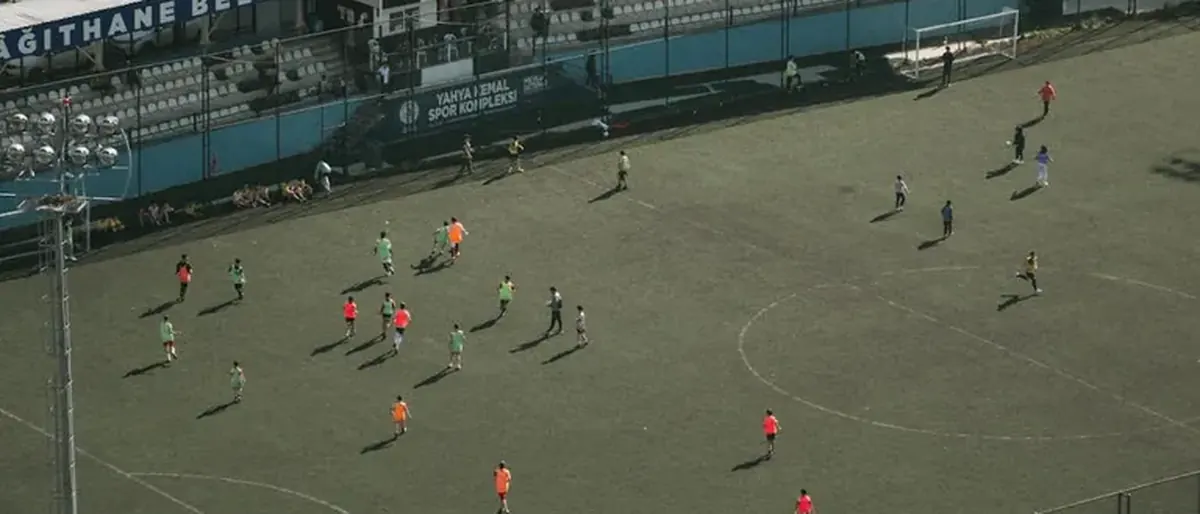
Attacking Third Creation Through Combinations: A Tactical Checklist for Breaking Down Defences
Breaking down a compact defence in the attacking third remains one of football's most persistent challenges. While individual brilliance can unlock a match, sustainable penetration comes from coordinated movement—combinations that manipulate defensive shape, create passing lanes, and generate high-quality chances. This checklist provides a systematic framework for analysing and implementing attacking third combinations, drawing on publicly available data from Opta, FBref, and WhoScored.
Understanding the Core Principle: Manipulating Defensive Shape
Before examining specific combination types, it's essential to grasp the underlying objective: forcing defenders into decisions that open space. A well-drilled defence in a 4-2-3-1 system, for instance, typically maintains compact horizontal and vertical spacing. Combinations aim to disrupt this by creating numerical advantages, exploiting blind spots, or drawing defenders out of position.
The most effective attacking third combinations share three characteristics: timing, angle of movement, and spatial awareness. Without these, even technically gifted players struggle to penetrate.
Step 1: Identify Defensive Structure and Weak Points
Begin by analysing the opponent's defensive organisation. Key questions include:
- Defensive shape: Is the opposition using a 4-3-3, 4-2-3-1, or 3-5-2 system? Each presents different vulnerabilities. A 4-3-3 often leaves space between the full-back and centre-back when the wingers track back; a 3-5-2 can be exposed in the half-spaces between centre-backs and wing-backs.
- Pressing intensity: Check PPDA (passes per defensive action) data from sources like WhoScored. A low PPDA (e.g., under 10) indicates aggressive pressing, meaning quick, short combinations are necessary to bypass the first line. A high PPDA (over 15) suggests a deeper block, requiring patient build-up and switches of play.
- Full-back positioning: Do full-backs push high or stay deep? This determines whether you can exploit the space behind them or must work in front of the back line.
Step 2: Master the Three Essential Combination Types
While dozens of combination patterns exist, most successful attacking third actions fall into three categories.
| Combination Type | Description | Typical Scenario |
|---|---|---|
| One-Two (Give-and-Go) | Player A passes to B, then immediately runs into space for a return pass | Breaking a flat back line, especially in central areas |
| Overlap | Wide player runs outside the ball carrier to receive a pass | Creating crossing opportunities against a narrow defence |
| Third-Man Run | A pass to a player who immediately moves the ball to a third runner | Exploiting half-spaces, especially against a 4-2-3-1 |
One-Two (Give-and-Go): This is the most direct method of breaking defensive lines. In the 4-3-3 system, central midfielders frequently use one-twos with the striker to penetrate between the opposition's midfield and defensive lines. The key is the timing of the initial run—too early, and the defender tracks; too late, and the passing lane closes.
Overlap: Effective primarily in wide areas, the overlap forces the full-back to decide between following the overlapping runner or staying with the ball carrier. Against a 3-5-2, overlaps can pin wing-backs back, creating space for cut-backs into the box.
Third-Man Run: This is the most sophisticated of the three. A midfielder (first man) passes to a forward (second man), who immediately lays the ball off to a third runner arriving from deep. This pattern is particularly effective against mid-blocks that compress space between the lines.
Step 3: Create Numerical Superiority in Key Zones
Attacking combinations are most effective when they create overloads in specific areas. The half-spaces—the zones between the full-back and centre-back—are prime targets.
- Central overloads: Use a 4-3-3 to create a 3v2 in midfield against a 4-2-3-1. The central midfielder can combine with the striker and a drifting winger to create a 3v2 in the central channel.
- Wide overloads: Against a 4-3-3, full-back and winger can create a 2v1 against the opposition full-back. This is particularly effective when the opposition winger fails to track back.
- Positional rotations: Encourage players to exchange positions—a winger dropping into midfield while a full-back pushes high. This confuses defensive assignments and creates passing lanes.
Step 4: Time the Pass and the Run
The difference between a successful combination and a turnover often comes down to milliseconds. Two critical timing elements:
- Pass weight: The ball must be played with the correct speed and trajectory. A one-two in central areas requires a crisp, first-time pass; an overlap needs a weighted through ball that allows the runner to cross or cut back.
- Run timing: The runner must time their movement so they receive the ball in stride, ideally at the moment the defender commits to the ball carrier. This requires constant communication and understanding between teammates.
Step 5: Exploit Transition Moments
Combinations are most dangerous when the opposition defence is disorganised. Key transition moments include:
- After a turnover: When a team wins the ball high up the pitch, the defence is often out of shape. Quick combinations can exploit this before the opposition reorganises.
- After a set-piece: Following a corner or free-kick, defenders may be out of position. A rapid combination can catch them off-guard.
- After a switch of play: A long diagonal pass to the opposite flank forces the defence to shift laterally. This creates gaps that quick combinations can exploit.
Step 6: Adapt to Opponent Adjustments
No combination works indefinitely. As the match progresses, opponents will adjust their defensive shape. Common adjustments include:
- Dropping deeper: If the opposition drops into a low block, one-twos become less effective. Switch to third-man runs and crosses from deeper positions.
- Pressing higher: If the opposition presses aggressively, use quick, short combinations to bypass the press and create space behind.
- Man-marking: If the opposition assigns a specific defender to a key creator, use positional rotations to free that player.
Data-Driven Decision Making
While combinations are a tactical tool, their effectiveness can be measured. Key metrics to track include:
- xG per shot from combinations: Compare this to overall xG per shot. If combinations consistently generate higher xG, they are a valuable attacking weapon.
- Pass completion rate in the attacking third: A high completion rate suggests combinations are creating passing lanes. A low rate may indicate poor timing or defensive adjustments.
- Shots from central areas: Combinations that penetrate central areas tend to generate higher xG than those that stay wide.
Conclusion: A Checklist for Implementation
To effectively implement attacking third combinations, use this checklist as a guide:
- Analyse the opponent's defensive shape and pressing intensity (PPDA, defensive structure).
- Identify weak points (half-spaces, full-back positioning, gaps between lines).
- Select the appropriate combination type (one-two, overlap, third-man run) based on the situation.
- Create numerical superiority in key zones through overloads and rotations.
- Time the pass and run to exploit defensive indecision.
- Exploit transition moments immediately after turnovers or set-pieces.
- Adapt to opponent adjustments as the match progresses.
- Measure effectiveness using xG, pass completion, and shot location data.
For further reading on tactical analysis, explore our guides on central midfield pressing triggers and set-piece offensive routines.